

A new study, "Public Communication About Science Across 68 Countries," provides a comprehensive analysis of how people around the world access and share information about science.
The research, currently under peer review, was led by Niels G. Mede from the University of Zurich and involved a collaboration of scholars from prominent institutions, including ETH Zurich, the University of Bern, the University of Amsterdam, Harvard University, and Stellenbosch University. Conducted between November 2022 and August 2023, the study surveyed over 71,000 participants from 68 countries, offering a globally representative snapshot of public science communication practices.
The researchers set out to answer two key questions: (1) Where do people obtain information about science? and (2) How do they engage in discussions about scientific topics? With the rise of digital platforms as primary sources of information, understanding the differences in “science information diets” across diverse cultural and political landscapes has become essential. The study examined how people in different countries and regions access and share scientific knowledge, taking into account factors like digital media access, education levels, and press freedom.
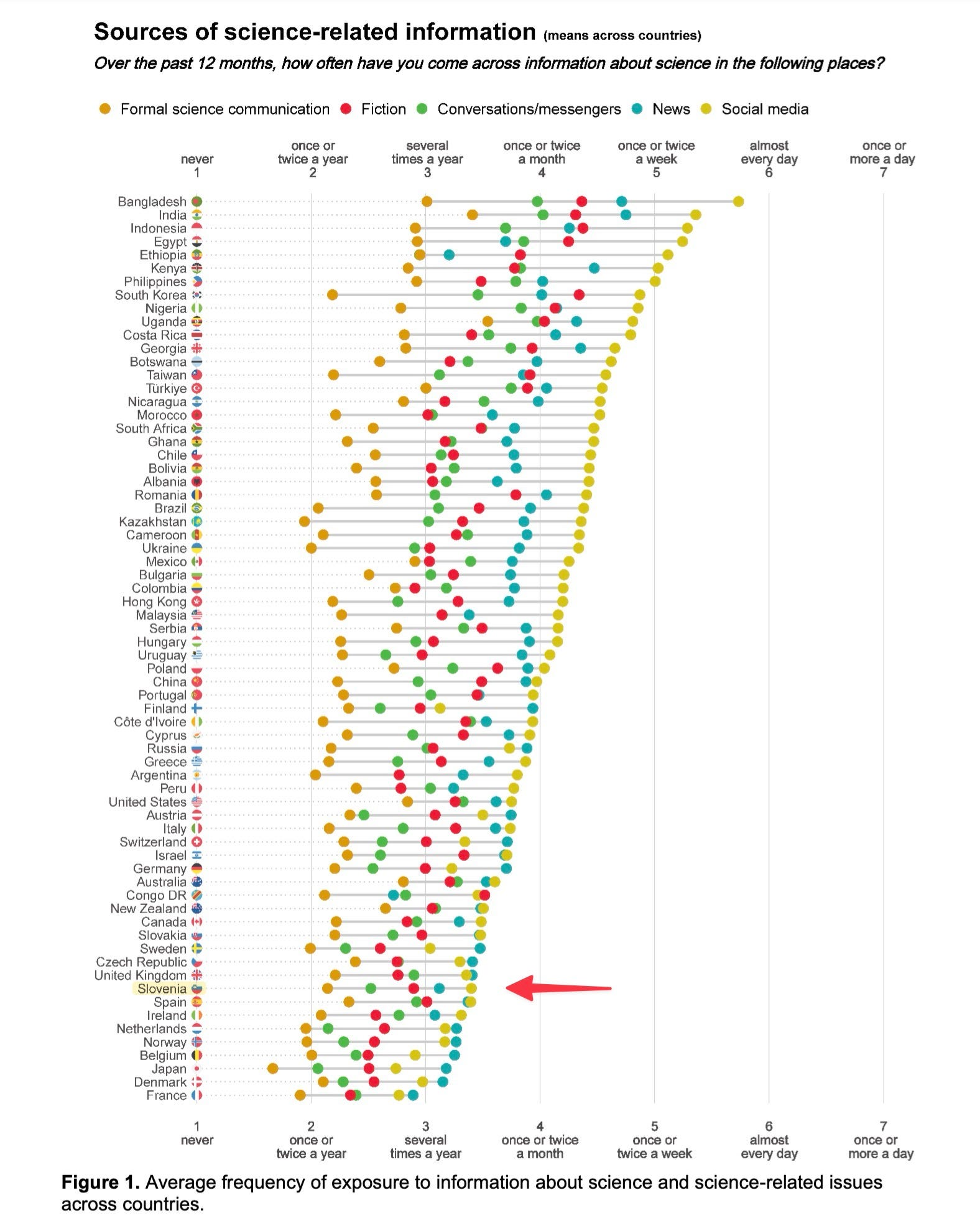
Data was collected through an extensive online survey with representative samples for each country, accounting for age and gender. Participants were asked how often and where they encountered scientific information in the past year—whether through social media, news outlets, conversations with family and friends, fiction (like movies and books), or visits to museums and other cultural institutions. Additionally, the survey explored how frequently people discussed scientific topics with others, either privately or publicly, and how often they engaged in science-related protests, such as those on climate change.
One of the most striking findings of the study is that social media has become the dominant source of scientific information in most countries. This trend is especially evident in developing nations, where traditional media may be less accessible or trusted. Southeast Asian countries (such as Indonesia, the Philippines, and India) and many African countries stand out in this regard. In these regions, access to print or specialized scientific media is often limited, making platforms like Facebook, YouTube, TikTok, and Instagram vital for public engagement with science.
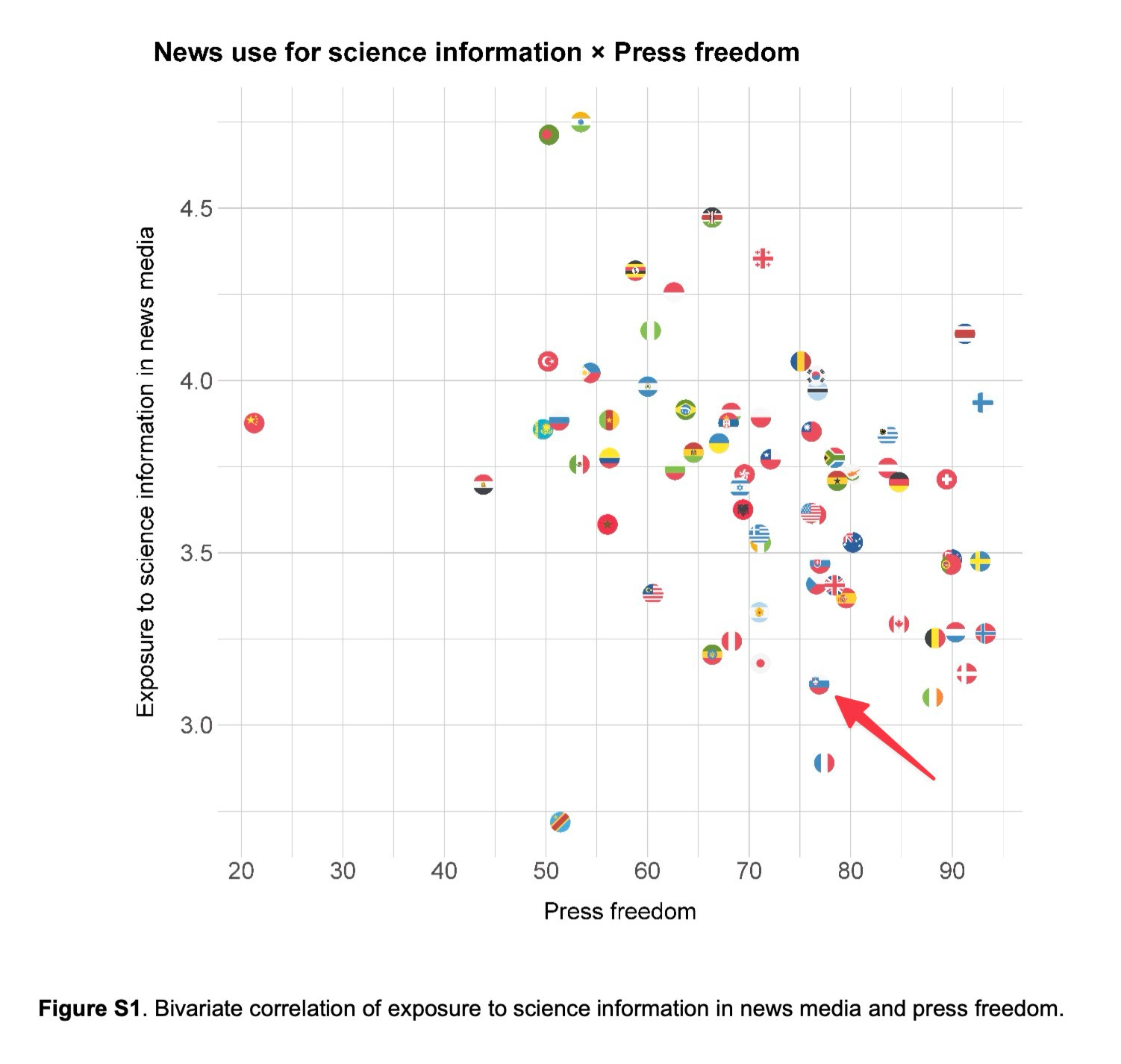
However, traditional media, such as newspapers and television, remain important in countries with strong media systems, such as the Scandinavian nations. In countries like Sweden, Finland, Switzerland, and the Netherlands, people are more likely to obtain scientific information from traditional sources like newspapers, TV news, and radio broadcasts. This is linked to a stable, pluralistic media landscape and strong public service support. Interestingly, factors like education, freedom of speech, and internet access did not significantly influence the choice of information sources.
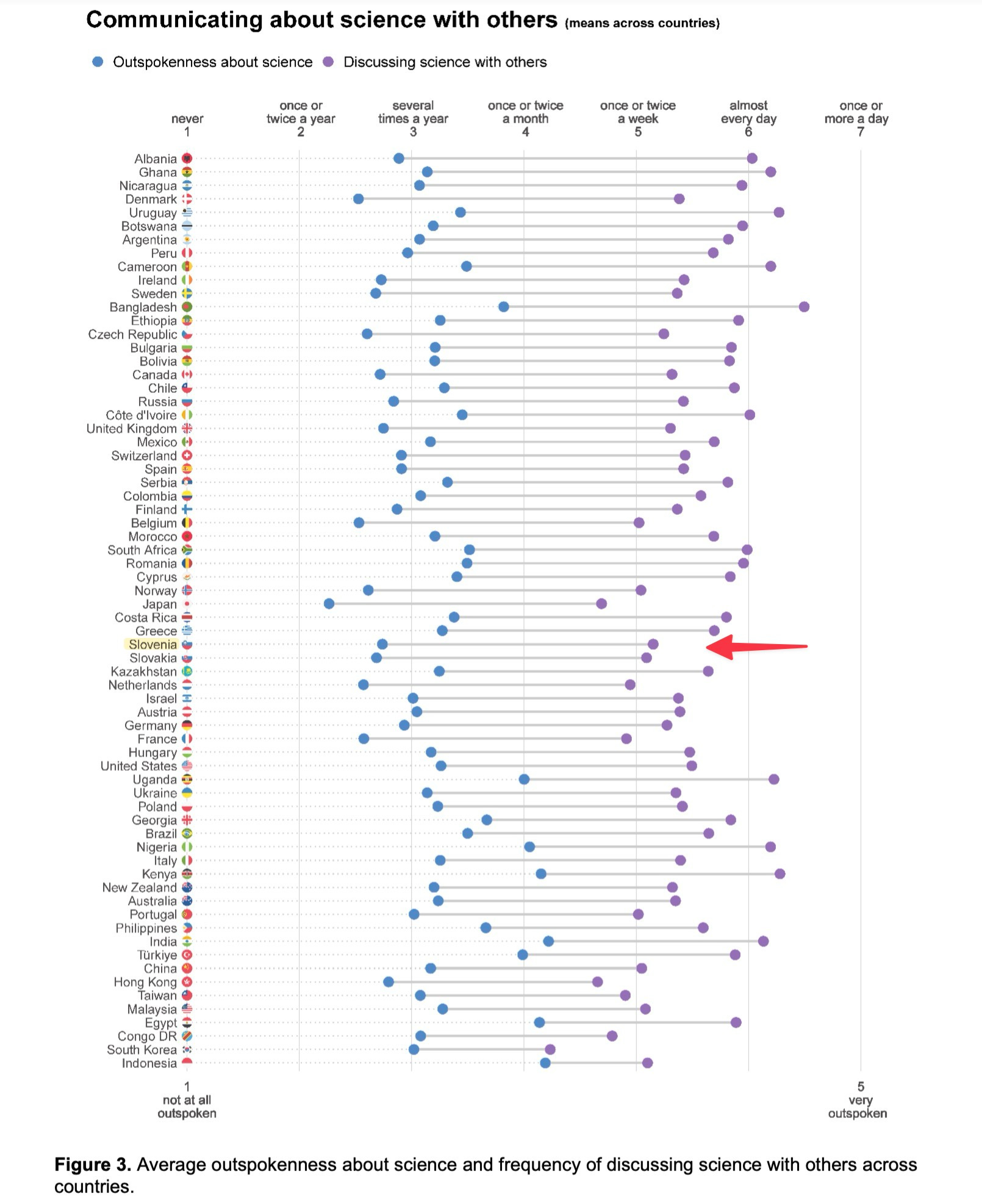
The study also highlighted cultural differences in how people discuss science. In countries with more collectivist values, such as Japan, South Korea, and China, individuals are less inclined to engage in discussions about science. In contrast, people in African countries like Kenya, Nigeria, and Uganda tend to discuss these topics more openly within their communities.
The findings also indicate that people in countries with lower GDP are often more dependent on social media for science information. In countries with limited digital coverage, science-related information continues to spread through conversations and events at museums and public institutions.
The study concludes that social media is becoming a key tool for reaching a broader audience with science information, highlighting the importance of ensuring that content on these platforms is reliable. The authors recommend that scientists and experts engage more actively in sharing credible scientific information on social media to combat misinformation.
This summary is based on:
Mede, N. G., Cologna, V., Berger, S., Besley, J. C., Brick, C., Joubert, M., … Schäfer, M. S. (2024, October 17). Public communication about science across 68 countries: Global evidence on how people get information and communicate about science-related matters. https://doi.org/10.31219/osf.io/xb3ha